
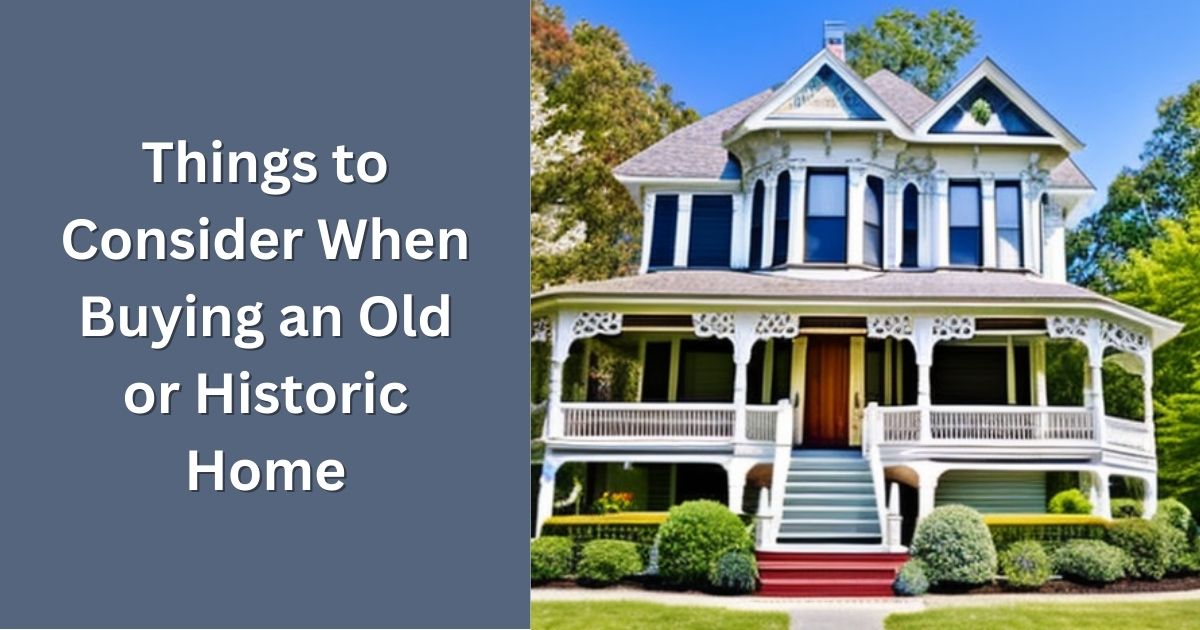
Buying an old or historic home can be a thrilling experience, but it’s essential to consider some crucial factors before making a purchase. First, you should consider the age and condition of the home. Old homes may require more maintenance, repairs, and renovations than newer homes, so it’s essential to get a thorough inspection of the home before buying it to assess its condition.
Does the Home Have a Historical Designation?
If the home has a historic designation, it may come with specific regulations that limit what can be done to the property. These regulations can affect everything from the exterior appearance to the interior features and may impact the resale value of the property. Consider the historical value of the home as well. Is it a unique or significant property with historical significance, or is it just an old house? The historical value can impact the price and resale value of the property. Consider doing research on its history and significance. This can give you a better understanding of the property’s value, as well as any potential preservation or restoration requirements.
Location, Location, Location!
Location is also a crucial factor to consider. If the home is in a historic district, it may have more protection and regulation than other homes. You should also consider the neighborhood’s amenities, including nearby schools, parks, and shopping.
Renovation and Maintenance Costs
Renovating an old or historic home can be a significant investment, so it’s essential to carefully consider the potential renovation costs before making a purchase. Older homes may have outdated or inefficient heating, cooling, plumbing, and electrical systems, which could require significant updates to bring them up to code and make them more energy-efficient. If the home has historical significance or is located in a historic district, there may be specific regulations governing what can be done to the property, which could impact renovation costs. It’s crucial to work with an experienced contractor and architect to get a clear estimate of renovation costs and to identify any potential roadblocks before making an offer on the property.
You will need to determine how much it will cost to renovate the home to your desired level. Some older homes may require significant renovations to modernize their systems and bring them up to code. It’s also essential to consider insurance coverage that meets the specific needs of an older or historic home. The insurance policy should cover potential issues, such as fire, flooding, or damage from natural disasters.
Maintenance and upkeep are also very important factors to consider. Old or historic homes often require more maintenance and upkeep than newer homes. Consider whether you have the time, skills, and resources (money) to maintain the property, or whether you will need to hire professionals.
How Energy Efficient is the Home?
When considering an old or historic home, it’s important to assess its energy efficiency and potential upgrades to make it more efficient. Older homes may have outdated insulation, heating, and cooling systems, which can lead to higher utility bills. Upgrading the insulation, weatherstripping doors and windows, and installing energy-efficient windows can improve the home’s overall energy efficiency.
Windows are a crucial component of a home’s energy efficiency as they can account for a significant amount of heat loss or gain. Single-pane windows, common in older homes, have very poor insulation properties, which can lead to energy loss. Replacing single-pane windows with double or triple-pane windows with low-emissivity coatings can help reduce energy loss and improve energy efficiency.
Consider having a comprehensive energy audit conducted by a qualified professional. An energy audit can help identify areas where energy efficiency upgrades can be made, and determine the potential savings from these upgrades. By investing in energy efficiency upgrades, you can save money on utility bills and reduce your environmental footprint while still enjoying the charm and character of an old or historic home.
What Type of Financing Do You Need for an Old Home?
Financing an old or historic home can be more challenging than financing a newer home. Some lenders may require a higher down payment or impose stricter lending standards, especially if the home needs significant repairs or renovations. Be aware of any zoning or permit restrictions that may impact your plans for the property. Some neighborhoods and municipalities may have strict regulations governing renovations, additions, or changes to the property.
Buying an old or historic home can be a unique and exciting experience, but it’s essential to consider all the factors involved before making a purchase. From assessing the condition of the property and its historical significance to considering the location, renovation costs, and financing options, it’s crucial to do your due diligence to make an informed decision. With careful planning, research, and consideration, you can find an old or historic home that meets your needs and is a valuable investment for the future.
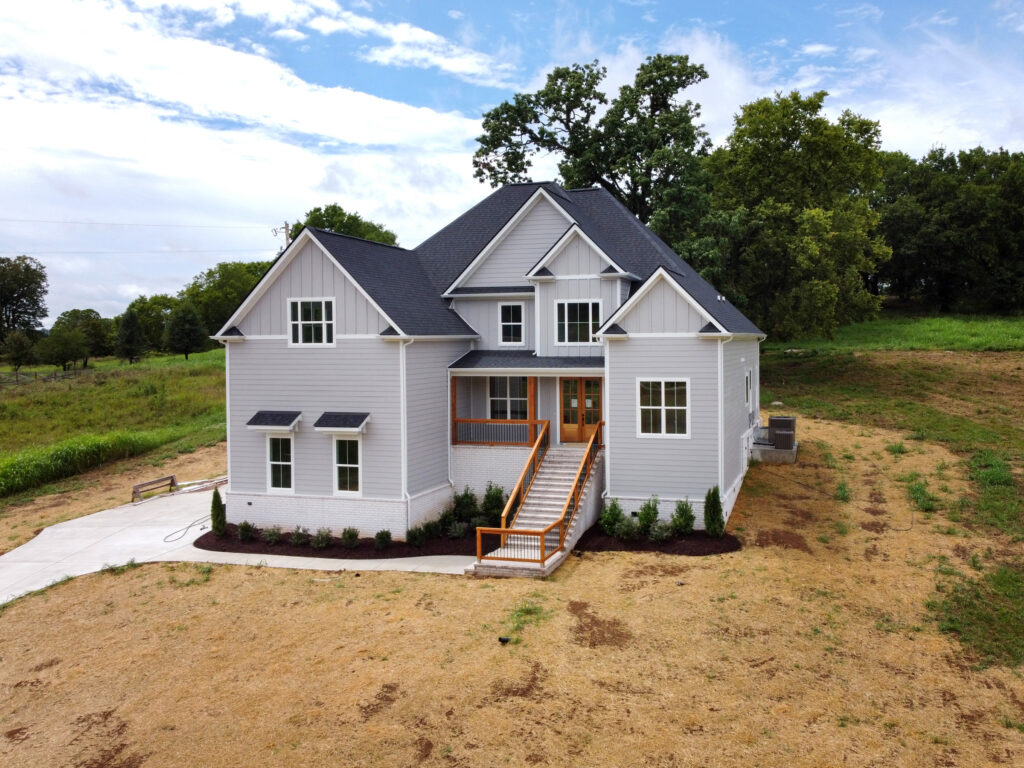
1217 Cliff Amos Dr Spring Hill, TN
Discover the charm of country living on a spacious 2.18-acre property at 1217 Cliff Amos Dr, Spring Hill, TN 37174, and enjoy a $10K buyer credit for closing costs, points, or upgrades! This incredible 4-bedroom, 3.5-bathroom custom home by Prominence…
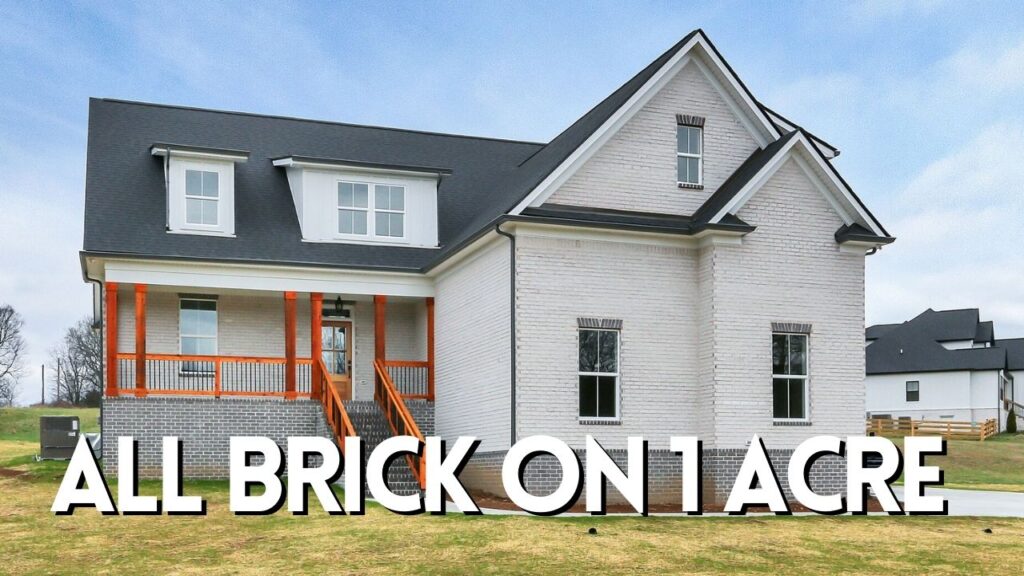
1191 Old Highway 99 Columbia, TN – New Construction Home by Prominence Building Corporation
If you are moving to Tennessee this is a home you will want to see! 1191 Old Hwy 99 is a Custom home built by Prominence Building Corporation with a MAIN FLOOR PRIMARY SUITE, LARGE 3 CAR GARAGE, BONUS ROOM,…

Why People Are Moving to Tennessee from California
How The Covid Virus is Affecting Real Estate in Tennessee
We are living through some concerning events and there is no doubt in my mind that we will have some long term changes as a result. Anything I say is purely speculation but it’s speculation based on what I am…
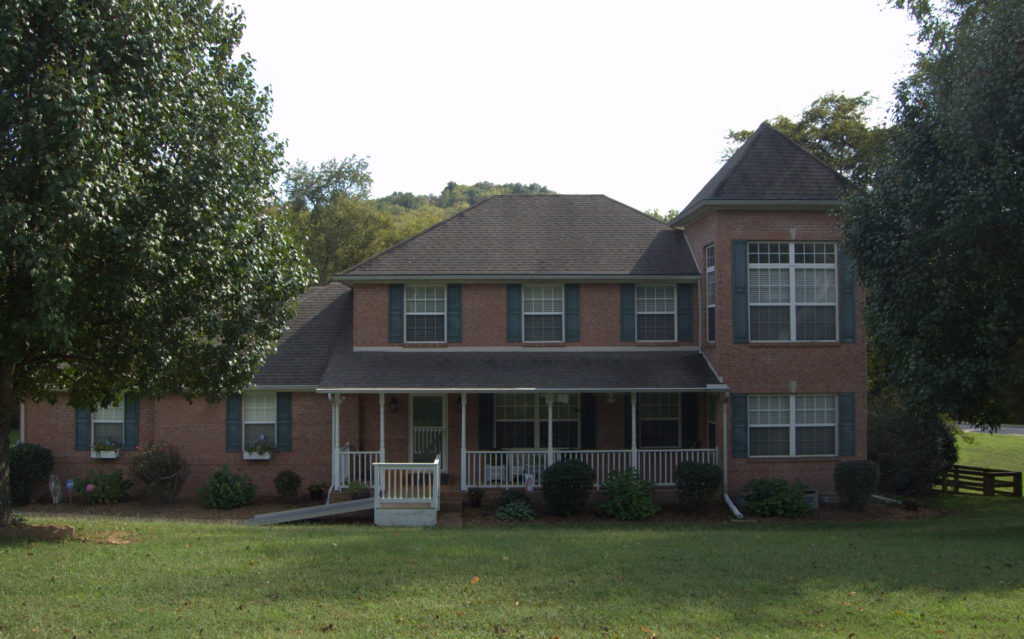
361 Lakeway Terrace Spring Hill, TN – SOLD!
Houses with acreage are in demand and I have a great listing for you to see! 361 Lakeway Terrace in Spring Hill (Glen Oaks subdivision) will hit the market at the end of the month and has a fantastic yard…
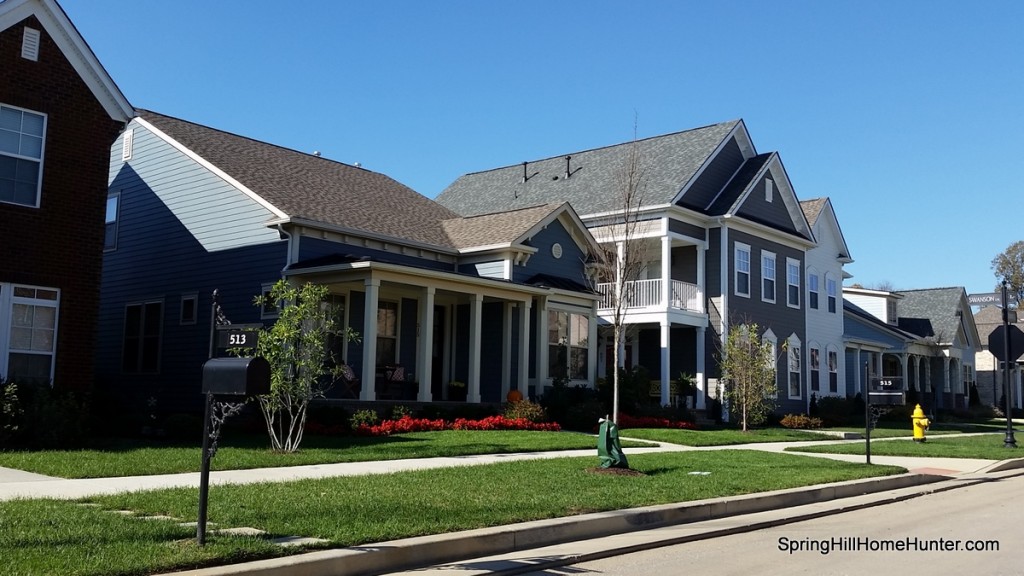
Lockwood Glen in Franklin TN
Lockwood Glen Homes Middle Tennessee (Nashville) is one of the top 14 markets in the country for real estate in 2015. There just aren’t enough homes in the region to meet the demand. Fortunately there are…